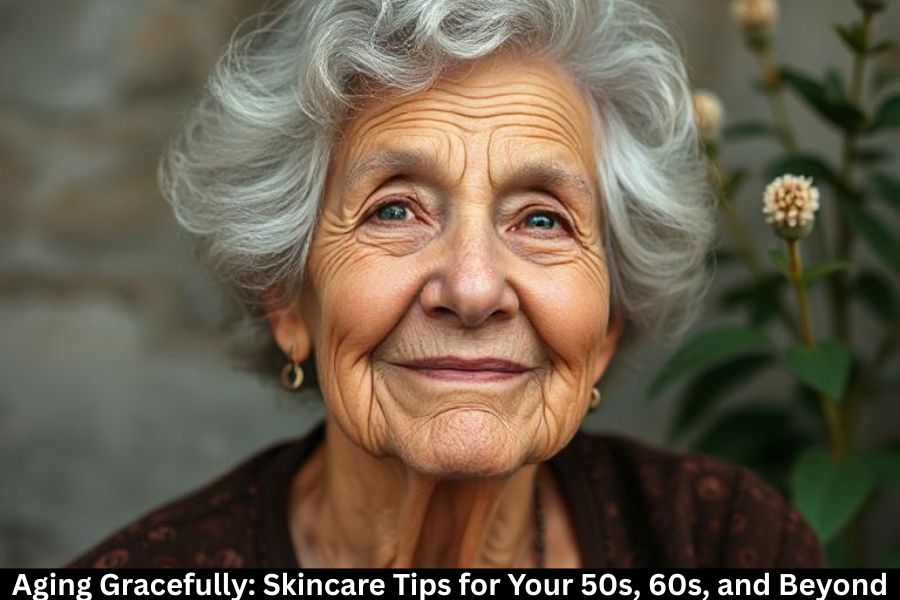
Radiant, glowing skin is often seen as a sign of good health, and one of the most discussed factors influencing skin appearance is hydration. But does drinking water really affect how your skin looks? The answer is yes—but with a few important caveats. Understanding how hydration works can help you maintain a youthful, vibrant complexion.
The Science of Skin and Hydration
Your skin is the body’s largest organ and acts as a barrier against pollutants, bacteria, and UV rays. The outermost layer, the stratum corneum, consists of dead skin cells and lipids that help retain moisture. When your body is well hydrated:
- This layer functions efficiently, keeping skin smooth, supple, and elastic.
- Dehydrated skin can appear tight, flaky, irritated, and dull, and chronic dehydration may contribute to fine lines and premature aging.
Hydration supports your skin’s protective functions, but it’s not a cure-all. Genetics, age, and environmental factors also play significant roles in skin health.
Internal Hydration vs. External Moisturization
It’s crucial to distinguish between:
- Internal hydration: Drinking water helps maintain overall body hydration, indirectly supporting your skin. If you’re consistently dehydrated, increasing water intake can improve skin elasticity and reduce dryness.
- External moisturization: Topical creams, lotions, and serums lock in moisture, especially in dry climates or colder seasons when skin loses water more quickly.
Even well-hydrated skin can benefit from professional med spa treatments, which address tone, texture, and overall skin health beyond what water alone can achieve.
Nutrition, Lifestyle, and Hydration
Healthy habits amplify hydration benefits:
- Diet: Foods high in water content—like cucumbers, oranges, and watermelon—help supplement fluid intake.
- Limit dehydrating substances: Reduce caffeine and alcohol consumption.
- Essential nutrients: Omega-3 fatty acids, antioxidants, and vitamins A, C, and E support moisture retention and protect skin from environmental damage.
- Lifestyle: Regular exercise boosts circulation, sleep promotes cellular repair, and stress management helps maintain hormonal balance—all of which support healthy, hydrated skin.
Professional Skin Treatments for Hydration
Sometimes, water and moisturizers alone aren’t enough—especially for aging or persistently dry skin. Professional treatments such as:
- Hydrafacials
- Microneedling
- Chemical peels
…can deeply hydrate and rejuvenate the skin, offering visible, longer-lasting improvements.
Aesthetic centers like dermani MEDSPA provide customized treatments tailored to individual skin needs, ensuring effective results in a professional, relaxing environment.
Final Thoughts
While drinking water won’t instantly transform dry skin into a glowing masterpiece, hydration is a foundational step in skincare. Paired with:
- A nutrient-rich diet
- Consistent skincare habits
- Occasional professional treatments
…water becomes a powerful ally in maintaining radiant, resilient skin. Consistent hydration—from both inside and out—helps your skin look and feel its best, naturally glowing and beautifully healthy.